
BPC-157
$45.99
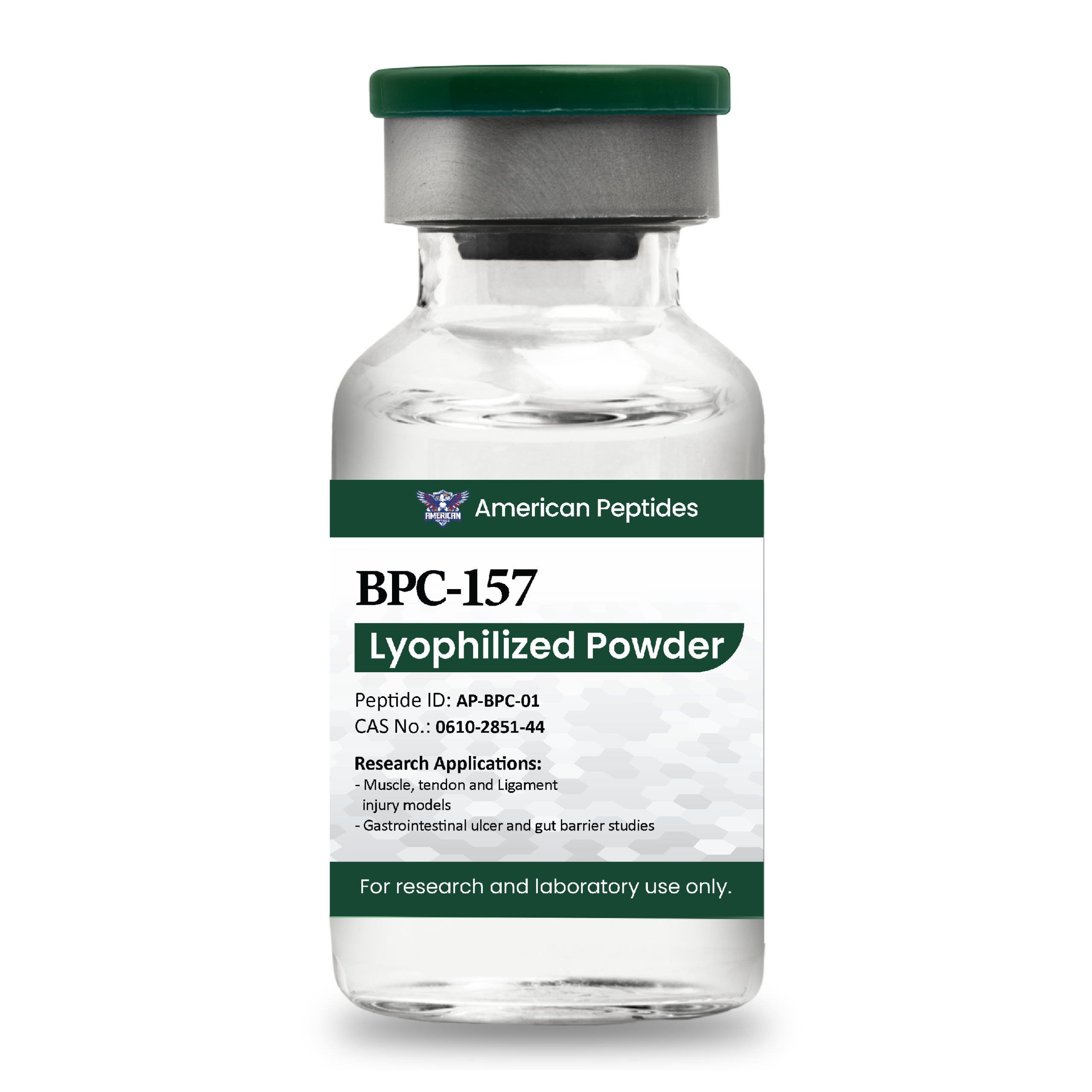
BPC-157 is a stable synthetic peptide derived from a gastric protective protein. It is renowned for its regenerative and cytoprotective properties across multiple tissues. It is widely studied for soft tissue healing, GI repair, neuroprotection, and injury recovery.
BPC-157 (Body Protection Compound-157) is a synthetic peptide derived from a protective protein found in the human gastric system. Renowned for its regenerative and cytoprotective properties, BPC-157 has been widely studied in models of soft tissue healing, gastrointestinal repair, neuroprotection, and musculoskeletal injuries. Its unique stability and activity across multiple tissue types make it a highly versatile compound for experimental models in trauma recovery and inflammation.
– Form: Lyophilized peptide
– Purity: ≥99%
– Origin: Manufactured and tested in the USA
– Certifications: Certificate of Analysis (COA) included with every order
BPC-157 is believed to act by:
– Promoting angiogenesis and blood vessel formation
– Modulating inflammatory cytokines and oxidative stress
– Enhancing tendon, ligament, and muscle healing
– Stimulating fibroblast migration and collagen production
– Supporting gastrointestinal barrier integrity and repair
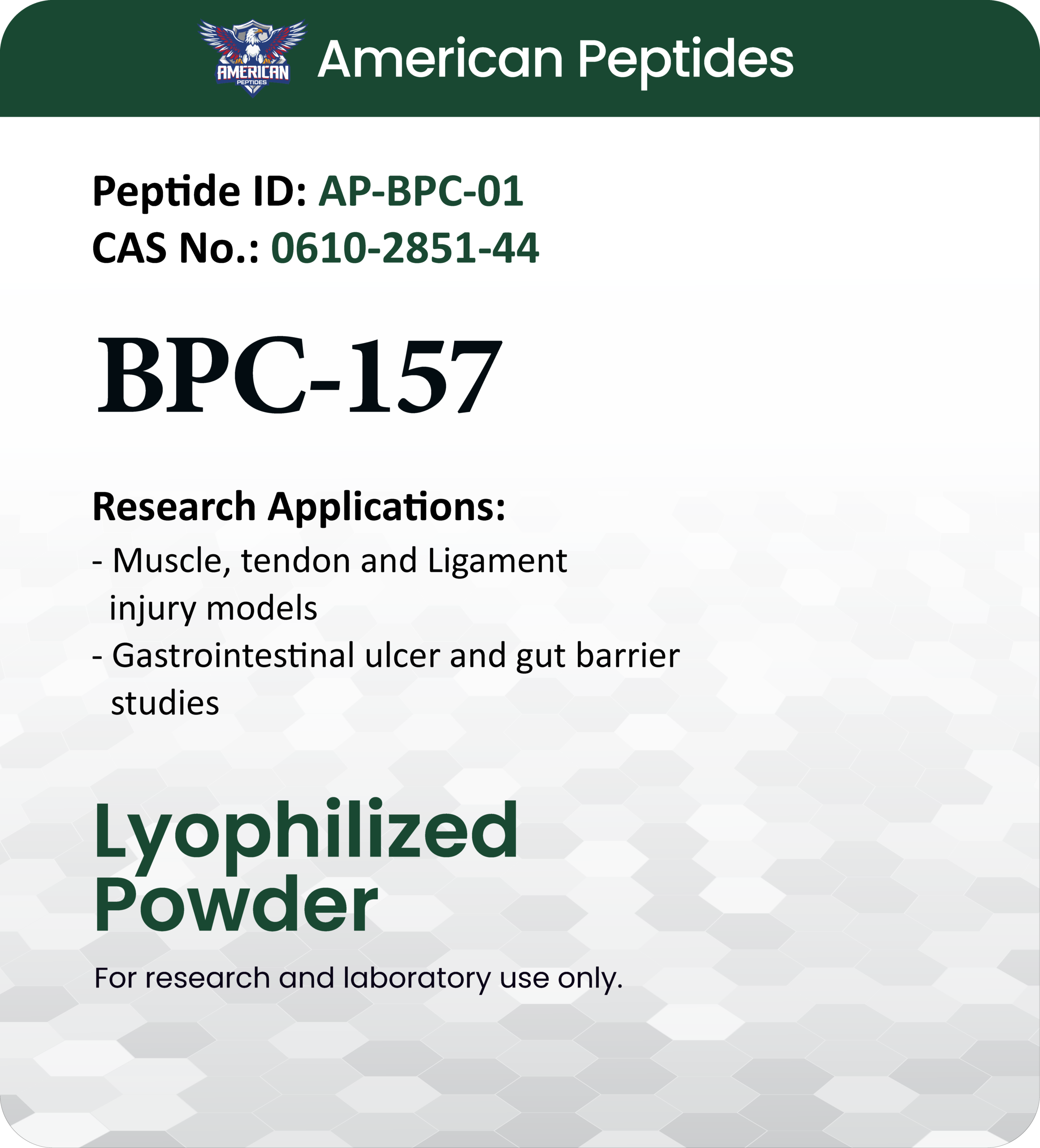
– Muscle, tendon, and ligament injury models
– Gastrointestinal ulcer and gut barrier studies
– Inflammatory cytokine suppression research
– Vascular and angiogenic studies
– Central nervous system healing and neuroregeneration
– Highly stable in gastric and systemic environments
– Supports accelerated tissue recovery in vivo
– Useful across multiple organ systems
– Low toxicity and high tolerability in preclinical models
Each vial is:
– Manufactured in a GMP-compliant U.S. facility
– Accompanied by a Certificate of Analysis (COA)
– Subjected to HPLC and mass spectrometry verification
– Shipped from within the United States for quality control
– Contents: 5mg, 10mg of lyophilized BPC-157 peptide
– Appearance: White/off-white powder
– Solubility: Sterile bacteriostatic water recommended
– Storage: Store lyophilized vial at -20°C; reconstituted solution stable up to 30 days when refrigerated
*For laboratory research use only. Not intended for human or veterinary use.*
BPC-157 (Body Protection Compound-157) is a synthetic peptide derived from a naturally occurring protein in gastric juice. It is widely researched for its regenerative properties, particularly in musculoskeletal healing, gastrointestinal protection, and anti-inflammatory effects.
BPC-157 appears to promote angiogenesis (new blood vessel formation), modulate nitric oxide production, and support fibroblast migration to injured tissue. These effects make it a promising peptide for studies focused on accelerated wound healing, tendon repair, and gut lining restoration.
Our BPC-157 is provided as a sterile, lyophilized powder in single-use vials. Each vial is manufactured in the USA under stringent lab controls to ensure purity, sterility, and consistency across batches.
Store lyophilized BPC-157 at -20°C, protected from light and moisture. After reconstitution, it should be refrigerated at 2–8°C and used within your lab’s recommended timeframe for best stability and effectiveness.
Each vial is ≥98% pure and validated by HPLC and Mass Spectrometry. A batch-specific Certificate of Analysis (COA) is included with every order, providing full transparency and lab-level quality assurance.
Yes. While the product is stable at room temperature during standard shipping, we offer cold-chain shipping options for sensitive projects or larger research labs that require strict handling procedures.
Yes. In research models, BPC-157 is often studied with TB-500 or growth factors to evaluate synergistic effects on injury recovery or inflammation. All use must follow approved lab research protocols.
Simply visit our Lab Test Results page, select BPC-157 from the dropdown, and enter your email. We’ll send you the COA for your specific batch within minutes.
American Peptides guarantees ≥98% purity, U.S.-based lab testing, and fast shipping. Each vial includes a verified COA, and we stand behind our Price Match Guarantee—if you find the same quality for less, we’ll match it. Your research deserves the highest standard.
BPC-157 (5 mg & 10 mg Vial) Dosage Protocol
Quickstart Highlights
BPC-157 (Body Protection Compound-157) is a synthetic 15-amino-acid peptide derived from a gastric protein sequence studied for tissue-healing and cytoprotective properties[1][2]. Preclinical models demonstrate accelerated wound repair and anti-inflammatory activity[3], though human clinical data remain limited to early-phase safety trials and small case reports[4][5]. This educational protocol presents a once-daily subcutaneous approach using practical dilutions for clear insulin-syringe measurements.
10 mg Vial
- Reconstitute: Add 3.0 mL bacteriostatic water → 3.33 mg/mL concentration.
- Typical daily range: 200–600 mcg once daily (gradual titration).
- Easy measuring: At 3.33 mg/mL, 1 unit = 0.01 mL ≈ 33.3 mcg on a U-100 insulin syringe.
5 mg Vial
- Reconstitute: Add 3.0 mL bacteriostatic water → 1.67 mg/mL concentration.
- Typical daily range: 200–600 mcg once daily (gradual titration).
- Easy measuring: At 1.67 mg/mL, 1 unit = 0.01 mL ≈ 16.7 mcg on a U-100 insulin syringe.
Storage: Lyophilized: freeze at −20 °C (−4 °F); after reconstitution, refrigerate at 2–8 °C (35.6–46.4 °F); avoid freeze–thaw cycles.
Dosing & Reconstitution Guide
Educational guide for reconstitution and daily dosing
Standard / Gradual Approach
10 mg Vial (3 mL = ~3.33 mg/mL)
| Week | Daily Dose (mcg) | Units (per injection) (mL) |
|---|---|---|
| Weeks 1–2 | 200 mcg (0.2 mg) | 6 units (0.06 mL) |
| Weeks 3–4 | 400 mcg (0.4 mg) | 12 units (0.12 mL) |
| Weeks 5–8+ | 600 mcg (0.6 mg) | 18 units (0.18 mL) |
5 mg Vial (3 mL = ~1.67 mg/mL)
| Week | Daily Dose (mcg) | Units (per injection) (mL) |
|---|---|---|
| Weeks 1–2 | 200 mcg (0.2 mg) | 12 units (0.12 mL) |
| Weeks 3–4 | 400 mcg (0.4 mg) | 24 units (0.24 mL) |
| Weeks 5–8+ | 600 mcg (0.6 mg) | 36 units (0.36 mL) |
Frequency: Inject once daily subcutaneously. These schedules use the largest practical dilution (3.0 mL) to keep per-injection units well above 5 for better accuracy. Dosing is extrapolated from preclinical models[1][6]; human clinical validation remains limited.
Reconstitution Steps
- Draw 3.0 mL bacteriostatic water with a sterile syringe.
- Inject slowly down the vial wall; avoid foaming.
- Gently swirl/roll until dissolved (do not shake).
- Label and refrigerate at 2–8 °C (35.6–46.4 °F), protected from light.
Supplies Needed
Plan based on an 8–16 week daily protocol with gradual titration.
10 mg Vials (BPC-157, 10 mg each)
- 8 weeks ≈ 3 vials (25.2 mg used)
- 12 weeks ≈ 5 vials (42 mg used)
- 16 weeks ≈ 6 vials (58.8 mg used)
5 mg Vials (BPC-157, 5 mg each)
- 8 weeks ≈ 6 vials (25.2 mg used)
- 12 weeks ≈ 9 vials (42 mg used)
- 16 weeks ≈ 12 vials (58.8 mg used)
Insulin Syringes (U-100)
- Per week: 7 syringes (1/day)
- 8 weeks: 56 syringes
- 12 weeks: 84 syringes
- 16 weeks: 112 syringes
Bacteriostatic Water (10 mL bottles)
Use ~3.0 mL per vial for reconstitution.
- 10 mg protocol (8 weeks, 3 vials): 9 mL → 1 × 10 mL bottle
- 5 mg protocol (8 weeks, 6 vials): 18 mL → 2 × 10 mL bottles
- 10 mg protocol (12 weeks, 5 vials): 15 mL → 2 × 10 mL bottles
Alcohol Swabs
One for the vial stopper + one for the injection site each day.
- Per week: 14 swabs (2/day)
- 8 weeks: 112 swabs → recommend 2 × 100-count boxes
- 12 weeks: 168 swabs → recommend 2 × 100-count boxes
- 16 weeks: 224 swabs → recommend 3 × 100-count boxes
Protocol Overview
Concise summary of the once-daily regimen.
- Goal: Support tissue-healing and recovery processes based on preclinical evidence[1][3].
- Schedule: Daily subcutaneous injections for 8–12 weeks (extend to 16 weeks if desired).
- Dose Range: 200–600 mcg daily with gradual titration.
- Reconstitution: 3.0 mL per vial (1.67 mg/mL for 5mg, 3.33 mg/mL for 10mg) for accurate unit measurements.
- Storage: Lyophilized frozen; reconstituted refrigerated; avoid repeated freeze–thaw.
Dosing Protocol
Suggested daily titration approach.
- Start: 200 mcg daily; increase by ~200 mcg every 2 weeks as tolerated.
- Target: 400–600 mcg daily by Weeks 5–8+.
- Frequency: Once per day (subcutaneous).
- Cycle Length: 8–12 weeks; optional extension to 16 weeks.
- Timing: Any consistent time; rotate injection sites.
Storage Instructions
Proper storage preserves peptide quality.
- Lyophilized: Store at −20 °C (−4 °F) in dry, dark conditions; minimize moisture exposure.
- Reconstituted: Refrigerate at 2–8 °C (35.6–46.4 °F); prepare aliquots if needed and avoid freeze–thaw.
- Allow vials to reach room temperature before opening to reduce condensation uptake.
Important Notes
Practical considerations for consistency and safety.
- Use new sterile insulin syringes for each injection; dispose in a sharps container[7].
- Rotate injection sites (abdomen, thighs, upper arms) to reduce local irritation[8].
- Inject slowly; wait a few seconds before withdrawing the needle.
- Document daily dose and site rotation to maintain consistency.
- BPC-157 human data are preliminary; clinical decisions should involve qualified healthcare providers.
How This Works
BPC-157 is a synthetic peptide corresponding to a partial sequence of human gastric juice protein[2]. Preclinical studies suggest it modulates nitric oxide pathways and growth-factor expression to promote angiogenesis and collagen deposition in damaged tissues[1][3]. Animal models report accelerated healing of gut, tendon, ligament, and muscle injuries[6]. A Phase I oral safety trial has been completed[9], and a small human case series reported improvements following intra-articular administration[5]; however, large-scale controlled human efficacy data are not yet available.
Potential Benefits & Side Effects
Observations from preclinical and early clinical literature.
- Supports tissue repair in gut, tendon, muscle, and skin injury models (animal data)[1][3].
- Demonstrates anti-inflammatory and cytoprotective properties in preclinical settings[6].
- Phase I safety studies report good tolerability with no serious adverse events at tested doses[9].
- Occasional mild injection-site reactions (redness, itch) may occur with subcutaneous administration.
- Long-term human safety and efficacy remain under investigation[4].
Lifestyle Factors
Complementary strategies for best outcomes.
- Support recovery with adequate protein intake and micronutrient-rich foods.
- Balance activity and rest to allow tissue adaptation without overuse.
- Prioritize sleep and stress management to enhance natural healing processes.
- Consult qualified healthcare providers for injury-specific rehabilitation guidance.
Injection Technique
General subcutaneous guidance from clinical best-practice resources[10][11].
- Clean the vial stopper and skin with alcohol; allow to dry.
- Pinch a skinfold; insert the needle at 45–90° into subcutaneous tissue[10].
- Do not aspirate for subcutaneous injections; inject slowly and steadily[10].
- Rotate sites systematically (abdomen, thighs, upper arms) to avoid lipohypertrophy[8].
- Discard used syringes immediately in a sharps container per WHO guidelines[7].
Recommended Source
We recommend American Peptides for high-purity BPC-157 (5 mg & 10 mg).
Why American Peptides?
- High-purity, third-party-tested lots with batch COAs.
- Consistent, ISO-aligned handling and documentation.
- Reliable fulfillment to maintain cold-chain integrity.
Important Note
This content is for educational purposes only and is not medical advice, diagnosis, or treatment. BPC-157 remains investigational with limited human clinical data. For research use only. Not for human consumption.
References
-
Journal of Pharmacological Sciences — Klicek R et al. BPC-157 promotes colocutaneous fistula healing via NO-system modulation (rat model)
-
Pharmaceuticals (MDPI) — Józwiak M et al. Multifunctionality and possible medical application of BPC-157: literature and patent review (2025)
-
Current Pharmaceutical Design (PMC) — Sikiric P et al. BPC-157 stable gastric pentadecapeptide: novel therapy for wound healing and tissue repair
-
Life Sciences — Seiwerth S et al. BPC-157 and standard angiogenic growth factors: gastrointestinal tract healing and beyond
-
HSS Journal (PubMed) — Vasireddi N et al. Emerging use of BPC-157 in orthopaedic sports medicine: systematic review (2025)
-
Journal of Orthopaedic Research — Chang CH et al. BPC-157 promotes tendon-to-bone healing in a rat rotator cuff model
-
WHO (NCBI Bookshelf) — Guideline on safety-engineered syringes for IM, ID, and SC injections in health care settings (2016)
-
Johns Hopkins Arthritis Center — How to give a subcutaneous injection (patient education resource)
High-Level Summary
BPC-157 (Body Protection Compound-157) is a synthetic peptide derived from a protective protein found in the human gastric system. Renowned for its regenerative and cytoprotective properties, BPC-157 has been widely studied in models of soft tissue healing, gastrointestinal repair, neuroprotection, and musculoskeletal injuries. Its unique stability and activity across multiple tissue types make it a highly versatile compound for experimental models in trauma recovery and inflammation.
– Form: Lyophilized peptide
– Purity: ≥99%
– Origin: Manufactured and tested in the USA
– Certifications: Certificate of Analysis (COA) included with every order
Mechanism of Action (MOA)
BPC-157 is believed to act by:
– Promoting angiogenesis and blood vessel formation
– Modulating inflammatory cytokines and oxidative stress
– Enhancing tendon, ligament, and muscle healing
– Stimulating fibroblast migration and collagen production
– Supporting gastrointestinal barrier integrity and repair
Research Applications
– Muscle, tendon, and ligament injury models
– Gastrointestinal ulcer and gut barrier studies
– Inflammatory cytokine suppression research
– Vascular and angiogenic studies
– Central nervous system healing and neuroregeneration
Key Benefits for Research
– Highly stable in gastric and systemic environments
– Supports accelerated tissue recovery in vivo
– Useful across multiple organ systems
– Low toxicity and high tolerability in preclinical models
Certificate of Purity & Testing
Each vial is:
– Manufactured in a GMP-compliant U.S. facility
– Accompanied by a Certificate of Analysis (COA)
– Subjected to HPLC and mass spectrometry verification
– Shipped from within the United States for quality control
Formulation & Dosage Info
– Contents: 5mg, 10mg of lyophilized BPC-157 peptide
– Appearance: White/off-white powder
– Solubility: Sterile bacteriostatic water recommended
– Storage: Store lyophilized vial at -20°C; reconstituted solution stable up to 30 days when refrigerated
*For laboratory research use only. Not intended for human or veterinary use.*
Legal & Compliance Notices
– This product is sold for research purposes only
– Not for human consumption, injection, or diagnostic procedures
– Must be handled by qualified professionals in accordance with institutional and governmental safety guidelines
| Select Mg | 5mg, 10mg |
|---|
RELATED PRODUCTS
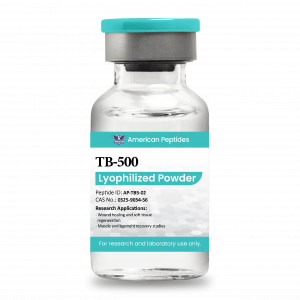
TB-500 (Thymosin Beta-4)
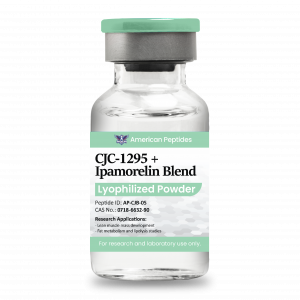
CJC-1295 + Ipamorelin Blend

Reviews
There are no reviews yet.